
Your credit score is one of the most important numbers in your financial life. It can influence your ability to qualify for financial products, secure favorable interest rates, and demonstrate financial responsibility.
Yet many Americans don’t fully understand how credit scores work or what steps they can take to improve them.
In this guide, you’ll learn what a credit score is, why it matters, how it is calculated, and the most effective ways to improve your credit score over time.
What Is a Credit Score?
A credit score is a numerical representation of your creditworthiness. In simple terms, it helps lenders and financial institutions evaluate how responsibly you manage borrowed money.
Credit scores are typically calculated using information from your credit reports, including:
- Payment history
- Credit card balances
- Length of credit history
- Types of credit accounts
- Recent credit inquiries
A higher score generally indicates lower risk, while a lower score may suggest greater financial risk.
Why Does Your Credit Score Matter?
Your credit score can impact many areas of your financial life.
A strong score may help you:
- Qualify for better financial opportunities
- Receive lower interest rates
- Improve approval chances for financial products
- Demonstrate financial reliability
- Access more favorable borrowing terms
Because of its importance, improving your credit score should be a key part of your overall financial strategy.
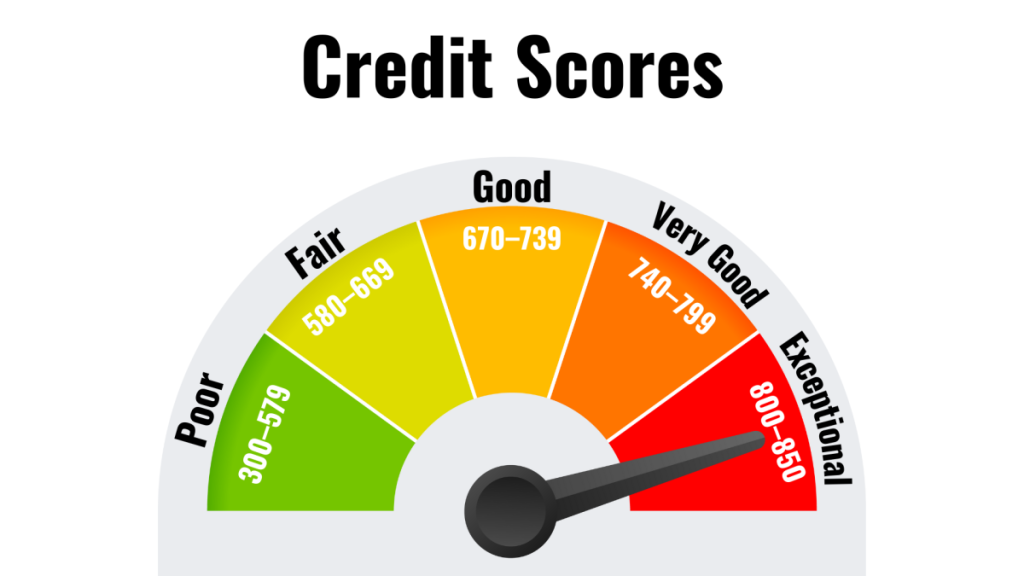
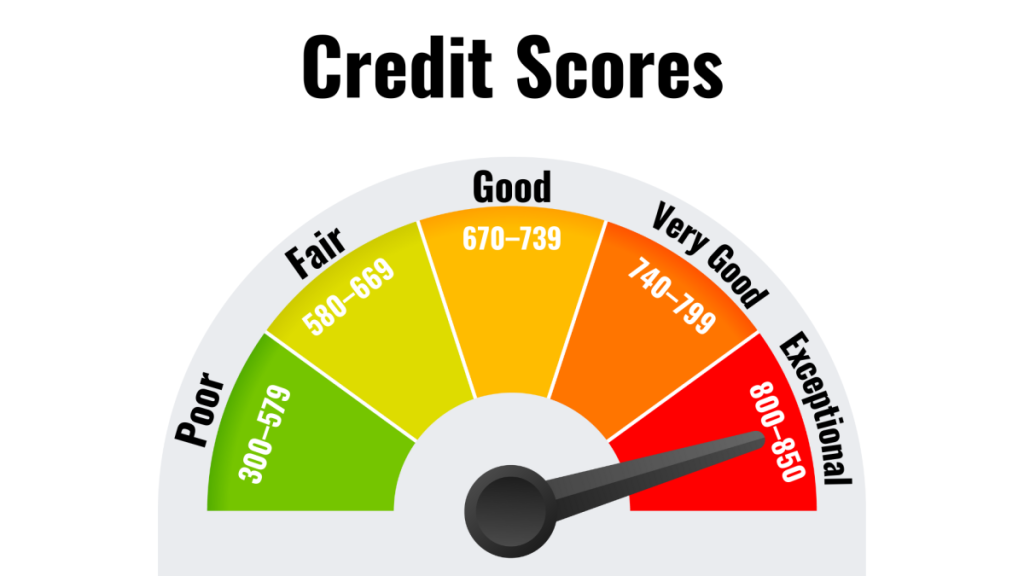
Credit Score Ranges Explained
Although scoring models vary, many use ranges similar to the following:
| Credit Score Range | Rating |
|---|---|
| 300 – 579 | Poor |
| 580 – 669 | Fair |
| 670 – 739 | Good |
| 740 – 799 | Very Good |
| 800 – 850 | Exceptional |
Generally, the higher your score, the more financial options become available.
How Is a Credit Score Calculated?
Understanding the factors that influence your score can help you focus on the areas that matter most.
Payment History
Payment history is often the most important factor.
Making payments on time consistently demonstrates financial responsibility and can positively influence your score.
Late payments can have a negative impact and may remain on your credit report for years.
Credit Utilization
Credit utilization refers to how much of your available credit you’re currently using.
For example:
- Credit limit: $10,000
- Current balance: $2,000
- Utilization rate: 20%
Many experts recommend keeping utilization below 30%, with lower percentages often producing better results.
Length of Credit History
The longer your credit accounts remain open and active, the more information lenders have about your financial behavior.
Maintaining older accounts can often benefit your credit profile.
Credit Mix
Having a variety of account types can contribute positively to your overall credit history.
Examples may include:
- Credit cards
- Auto financing
- Student loans
- Other installment accounts
New Credit Applications
Applying for multiple new accounts within a short period can temporarily lower your score because each application may generate a hard inquiry.
How to Improve Your Credit Score
If you’re wondering how to improve your credit score, the good news is that several proven strategies can help.
Pay Every Bill on Time
Consistent on-time payments are one of the most effective ways to improve your credit score.
Consider:
- Automatic payments
- Calendar reminders
- Payment alerts
Even a single missed payment can negatively affect your progress.
Reduce Credit Card Balances
Lower balances generally lead to lower credit utilization.
Focus on:
- Paying down existing balances
- Avoiding unnecessary debt
- Keeping utilization under control
This can positively influence your score over time.
Avoid Closing Old Accounts
Many people close older credit cards they no longer use.
However, older accounts contribute to the average age of your credit history.
Unless there is a compelling reason, keeping established accounts open may support long-term credit health.
Limit New Credit Applications
Each new application can result in a hard inquiry.
While occasional inquiries are normal, submitting numerous applications within a short period may negatively impact your score.
Apply for new accounts only when necessary.
Review Your Credit Reports
Errors occasionally appear on credit reports.
Reviewing your reports regularly allows you to:
- Verify account information
- Identify inaccuracies
- Monitor your progress
- Detect potential fraud
Correcting mistakes can sometimes improve your score.
How Long Does It Take to Improve a Credit Score?
Improvement timelines vary depending on your current situation.
Some individuals notice positive changes within a few months, while others may require a year or longer to achieve significant improvements.
The most important factor is consistency.
Responsible financial habits practiced over time often produce the strongest results.
Common Mistakes That Hurt Your Credit Score
Avoiding these mistakes can help protect your progress:
- Missing payments
- Carrying high credit card balances
- Applying for too many accounts
- Ignoring credit reports
- Closing old accounts unnecessarily
- Maxing out available credit
Small mistakes repeated consistently can significantly affect your score.
Building Strong Credit for the Future
A healthy credit score doesn’t happen overnight.
It is built through consistent financial habits such as:
- Paying bills on time
- Managing debt responsibly
- Maintaining low utilization
- Monitoring credit activity
- Following a long-term financial plan
These habits not only help improve your credit score but also contribute to greater financial stability.
Understanding what a credit score is and how to improve it can have a lasting impact on your financial future.
While increasing your score takes time, the process is often straightforward: pay on time, reduce debt, maintain low credit utilization, and monitor your credit reports regularly.
The key is consistency. Small financial decisions made today can help strengthen your credit profile and support your long-term financial goals.