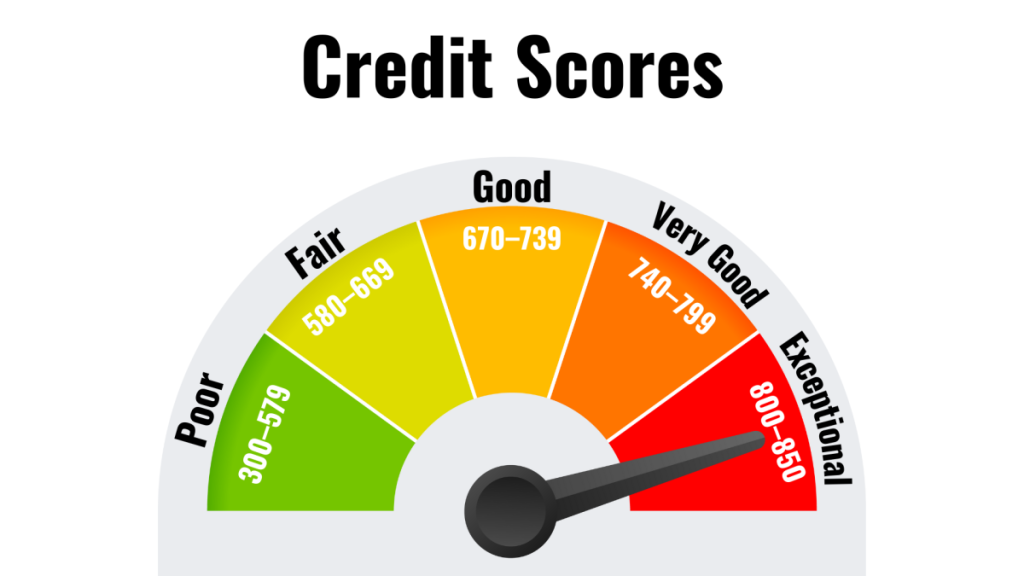

Getting approved for a new credit card isn’t just about having a steady income. Credit card issuers evaluate several aspects of your financial health before deciding whether to approve your application. By keeping your finances under control, you can improve your creditworthiness and increase your chances of qualifying for better credit cards with valuable rewards, lower interest rates, and higher credit limits.
Whether you’re applying for your first credit card or looking to add a premium rewards card to your wallet, strong financial habits can make a significant difference.
Why Financial Health Matters
When you apply for a credit card, lenders want to know how likely you are to repay borrowed money responsibly. They assess your overall financial profile to determine the level of risk involved.
Some of the most important factors include:
- Your credit score
- Payment history
- Debt-to-income ratio
- Existing credit utilization
- Length of credit history
- Recent credit inquiries
- Overall financial stability
The stronger these factors are, the better your chances of approval.
Pay Every Bill on Time
Your payment history is one of the most influential factors in your credit profile.
Making every payment on or before its due date demonstrates responsible financial behavior and builds trust with lenders.
Even a single late payment can negatively affect your credit score and remain on your credit report for years.
Setting up automatic payments or calendar reminders can help you avoid missed due dates.
Keep Credit Card Balances Low
One of the most effective ways to improve your credit profile is to maintain a low credit utilization ratio.
Credit utilization measures how much of your available credit you’re currently using.
For example, if you have a total credit limit of $10,000 and carry a balance of $2,000, your utilization rate is 20%.
Many financial experts recommend keeping your utilization below 30%, and even lower if possible, to maximize your credit score.
Avoid Applying for Too Many Cards at Once
Each credit card application may generate a hard inquiry on your credit report.
Submitting multiple applications within a short period can signal financial stress to lenders and temporarily lower your credit score.
Instead, research your options carefully and apply only for cards that match your financial profile.
Maintain a Healthy Debt-to-Income Ratio
Credit card companies also consider your debt relative to your income.
If a large portion of your monthly income already goes toward loan or credit card payments, lenders may view you as a higher-risk borrower.
Paying down existing debt before applying for a new card can improve your approval odds.
Build a Strong Credit History
The longer you’ve successfully managed credit accounts, the more confidence lenders typically have in your financial responsibility.
Keeping older accounts open—especially those with positive payment histories—can strengthen your overall credit profile.
Closing long-established accounts may shorten your average credit history and potentially affect your credit score.
Review Your Credit Report Regularly
Monitoring your credit report helps you identify errors, fraudulent activity, or outdated information that could impact your ability to qualify for new credit cards.
Reviewing your report regularly also allows you to track your financial progress and address potential issues before applying for additional credit.
Increase Your Income and Financial Stability
While income alone doesn’t guarantee approval, higher and more stable earnings can improve your financial profile.
Lenders want to see that you have sufficient income to comfortably manage your financial obligations.
If your income has recently increased, updating your information with current credit card issuers may also help when requesting higher credit limits.
Avoid Carrying Excessive Debt
High levels of outstanding debt can make lenders hesitant to extend additional credit.
Reducing balances on loans and existing credit cards demonstrates responsible financial management and lowers your overall financial risk.
Creating a debt repayment plan can help improve your financial standing over time.
Build Healthy Financial Habits
Strong financial habits don’t just improve your chances of getting approved—they also help you manage new credit responsibly.
Good habits include:
- Creating and following a monthly budget
- Building an emergency fund
- Paying balances in full whenever possible
- Avoiding unnecessary debt
- Monitoring spending regularly
- Saving consistently for future goals
These behaviors contribute to long-term financial stability and stronger creditworthiness.
Choose the Right Credit Card
Not every credit card is designed for every consumer.
Some cards are intended for people with excellent credit, while others are specifically created for those building or rebuilding their credit history.
Before applying, compare:
- Credit score requirements
- Annual fees
- Interest rates (APR)
- Rewards programs
- Introductory offers
- Credit limit potential
Selecting a card that aligns with your credit profile increases the likelihood of approval.
Benefits of Maintaining Controlled Finances
Managing your finances responsibly can lead to several advantages beyond credit card approval, including:
- Higher credit scores
- Better loan opportunities
- Lower interest rates
- Larger credit limits
- Access to premium rewards cards
- Greater financial flexibility
- Improved long-term financial security
Responsible financial management opens the door to more borrowing options and better financial opportunities.
Final Thoughts
Keeping your finances under control is one of the smartest ways to improve your chances of qualifying for new credit cards. By paying bills on time, maintaining low credit utilization, reducing debt, monitoring your credit report, and practicing consistent financial discipline, you can strengthen your credit profile and become a more attractive applicant.
Remember that building excellent credit doesn’t happen overnight. It takes patience, consistency, and responsible financial decisions. Over time, these habits can help you qualify for better credit cards, unlock valuable rewards, and support your broader financial goals.